Few things in a home get taken for granted as completely as the water heater — until it stops working. Whether yours just failed, is showing signs that it’s on its way out, or you’re simply ready to upgrade to something more efficient, water heater installation is one of those services where having the right plumber matters. The decision you make now will be living in your utility room for the next ten to fifteen years.
When the Hot Water Runs Out for Good
A water heater that fails without warning is one of the more disruptive plumbing emergencies a homeowner can face — cold showers, no dishwasher, no laundry, and a flooded utility room if the tank let go completely. If you’re in that situation right now, the priority is getting a replacement installed as quickly as possible by someone who can do it correctly under time pressure. We handle water heater replacements regularly and understand that when the hot water is gone, the conversation about options needs to be efficient and the work needs to happen fast.
How Long Should a Water Heater Last — And Where Are You?
A conventional tank water heater typically lasts eight to twelve years with normal use. A tankless unit can last significantly longer with proper maintenance. If your water heater is approaching or past that window, the question isn’t really whether it will need replacing — it’s whether you’d rather choose the timing or have the timing chosen for you. A proactive replacement means you get to evaluate your options, choose the right unit for your home, and schedule the work at a convenient time. A reactive replacement means making a major decision under pressure, often at the least convenient moment possible.
Tank vs. Tankless — The Honest Comparison
Tankless systems work differently — rather than maintaining a stored reservoir, they heat water on demand, which means lower energy use and a supply that doesn’t run out under heavy demand. They cost more upfront and in some cases require upgrades to gas lines or electrical service to support them. Conventional tank heaters are less expensive to purchase and install, simpler to maintain, and reliable for most household needs — but they maintain a standing reservoir of heated water around the clock whether you need it or not. Neither is universally the right answer. The best choice depends on your household’s hot water usage, your home’s existing infrastructure, and your priorities around upfront cost versus long-term efficiency.
What the Installation Actually Involves
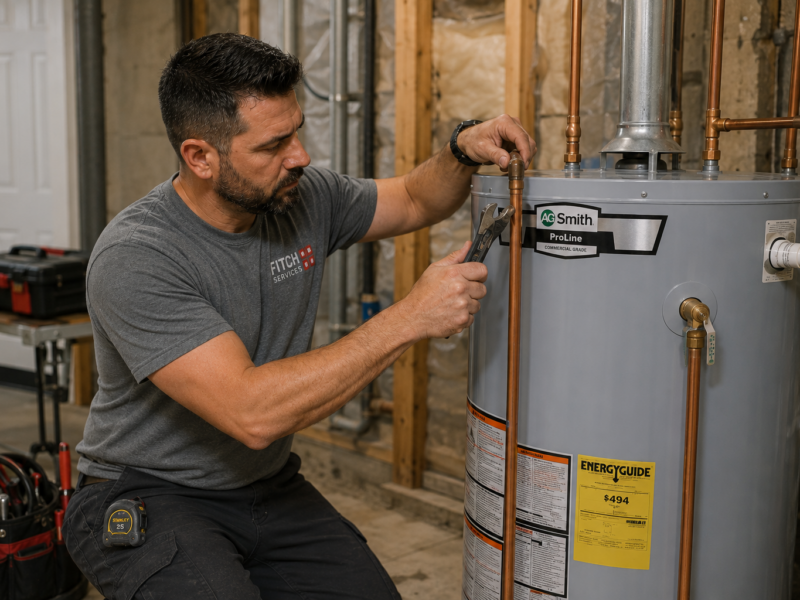
Water heater installation involves disconnecting and safely removing the old unit, making any necessary adjustments to supply lines, drain connections, and venting, and installing and commissioning the new unit. Tankless installations can be more involved — they sometimes require new gas line sizing, updated venting configurations, or electrical work to support the unit’s demand. Every installation is a little different depending on the age of the home, the existing infrastructure, and the type of unit going in. The goal is always a clean, code-compliant installation that performs reliably from day one.
Fitch Has Been Installing Water Heaters Across Charlottesville for Decades
Water heater installation is one of our most common calls, and we approach it the same way whether it’s a planned upgrade or an emergency replacement — thoroughly and without shortcuts. We’re a licensed, family-owned company that has been serving Charlottesville and the surrounding area since 1983. If your water heater has failed or you’re ready to get ahead of the inevitable, give us a call and we’ll help you figure out the right path forward.
Frequently Asked Questions
Predicting exactly when a water tank will start to leak is difficult. A better question to ask is: where will the water travel if the tank does leak? At Fitch Services, we recommend installing a tank drainage pan to protect your home. If that's not possible, a draining tube that carries leakage to a safe drainage area is a practical alternative. Age and condition are both factors in knowing when replacement makes sense — if your unit is showing signs of wear, performing inconsistently, or hasn't been evaluated in some time, a professional assessment is the best way to understand where things stand.
For a household of one to four people, a 40-gallon tank is generally sufficient. If one of those people is a teenager or you have a large soaker tub, a 60-gallon tank is a better choice. For larger households or those with unusually high hot water demand, a larger unit or a tankless system may be worth discussing with a plumber.
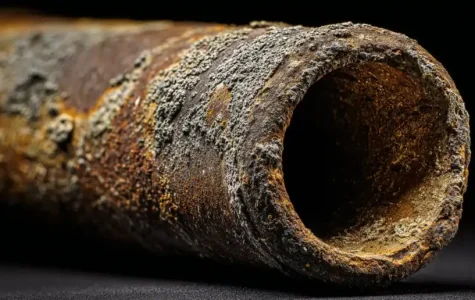
The lifespan of a water heater depends on several factors — the type of unit, the quality of the original installation, how well it has been maintained, and the quality of the water running through it. Tankless units generally last longer than conventional tank heaters with proper upkeep. Homes with hard water or acidic water conditions tend to see shorter lifespans without treatment, as mineral buildup and corrosion accelerate wear. Regular maintenance is one of the most effective ways to get the most out of any water heater — and if yours is showing signs of age or underperforming, a professional evaluation is the best way to assess where things stand.
A water softener addresses hard water — water with high mineral content — by exchanging those minerals for sodium through a process called ion exchange. This protects pipes, appliances, and fixtures from scale buildup and improves soap lathering. A water filtration system addresses contaminants — sediment, chlorine, bacteria, heavy metals, and other substances — by physically filtering or treating the water. Some homes need one, some need the other, and some benefit from both. The right solution depends on what's actually in your water.
In most cases, yes — plumbing work that involves new installations, relocations, or significant modifications typically requires permits and inspections. Permit requirements vary by locality but exist to ensure the work is done safely and to code. Working with a licensed plumber means permits are handled correctly as part of the process, and the work is inspected and documented before walls close up.
It depends on the type of system. Sediment filters remove particles and debris. Carbon filters address chlorine, taste, and odor issues. Reverse osmosis systems remove a wide range of contaminants including heavy metals, nitrates, and certain chemicals. UV systems target bacteria and other biological contaminants. Many homes benefit from a combination of treatment stages rather than a single filter — the right approach depends on what's actually in your water, which is why starting with a water test is always a good first step.
Common indicators include water that has an unusual taste or odor, visible discoloration or sediment, staining on fixtures or appliances, or a water test that has flagged contaminants above recommended levels. Homes on well water in particular benefit from regular testing since well water quality can change over time and varies significantly by location. Even homes on municipal water may benefit from filtration depending on local water quality conditions and individual household preferences.
Hard water contains elevated levels of dissolved minerals — primarily calcium and magnesium. Over time these minerals accumulate inside pipes, water heaters, and appliances, reducing their efficiency and shortening their lifespan. Hard water also leaves scale deposits on fixtures and glassware, reduces the effectiveness of soaps and detergents, and can cause dry skin and hair. In areas with particularly hard water, the cumulative damage to plumbing and appliances can be significant.
Simply carry out routine maintenance on your equipment and you will always have clear lines. At what temperature should I set my hot water tank? The optimum temperature is subjective. It all depends on your needs. The temperature should be set in your house based on who will use the facilities. For example, if you have young children I recommend lowering the maximum temperature to prevent accidental scalding.
Still have questions?

Real Reviews from Your Charlottesville Neighbors
See All ReviewsGeorgia P.Great Sewer Line Repair
James B. (Charlottesville, Virginia)Going to use them for everything I can now including my HVAC maintenance. Replaced my sewer line for a great price. Camera'd my line for free and gave me a truly free estimate whether I used them or not. Job ended up being tougher than what was expected and not once did they bring up the possibility of changing from what they quoted me. Good group of guys right there. Chris and his crew know what they're doing.
Paul B. (Charlottesville, VA)As I commented on both Facebook and Angie's List this was a good experience. The service was performed as scheduled and well. There was a glitch in the billing, but your own people detected it and contacted me about it and took care of it on your own initiative. Greatly appreciated!
Johanne (Charlottesville, VA)Very efficient, quick diagnosis, and quick fix.
Charlottesville Family Favorites Winner
Nextdoor Neighborhood Favorite Winner
Best of HomeAdvisor Winner
Elite Service HomeAdvisor Award
Ready to Schedule Service?
Let’s take care of it together.
Submit your request and experience the Fitch difference: a local team who shows up on time, and finishes the job right — often in a single visit.