NEED IT INSTALLED OR UPGRADED?
Bring your home’s electrical system up to today’s demands.
Safe, code-compliant panel upgrades, rewiring, generators, lighting, and more.
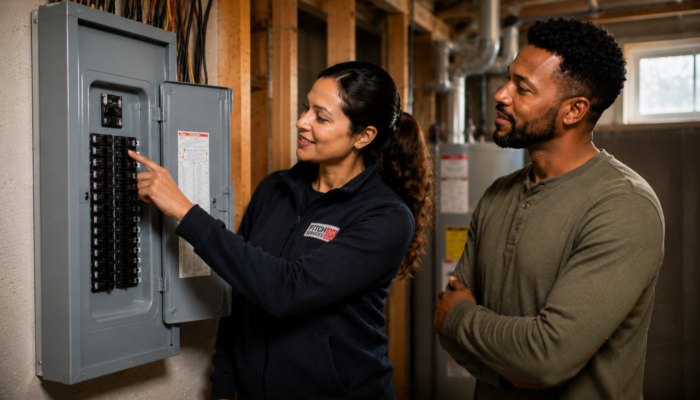
Today’s homes demand more power than older panels were designed to handle. We upgrade electrical systems with safety and future needs in mind.
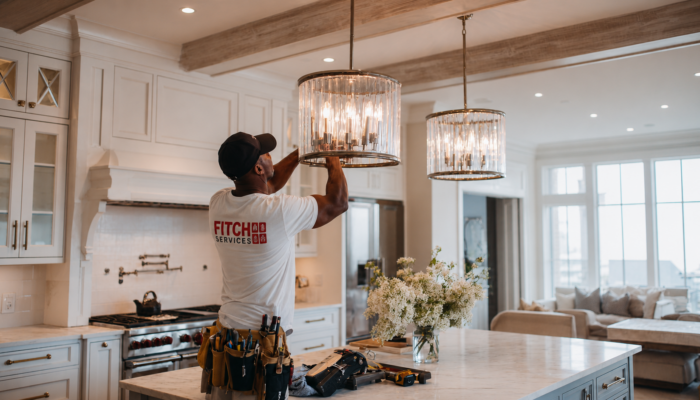
The right lighting changes how a space feels and functions. We install fixtures carefully for clean results and dependable everyday use.
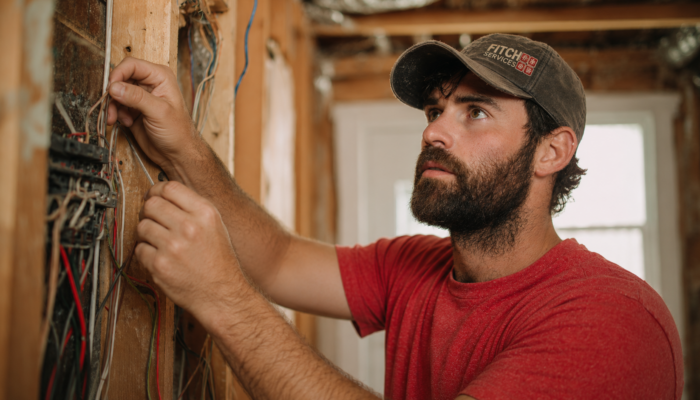
Older wiring can create hidden reliability and safety concerns. We modernize electrical systems thoughtfully while respecting your home and layout.
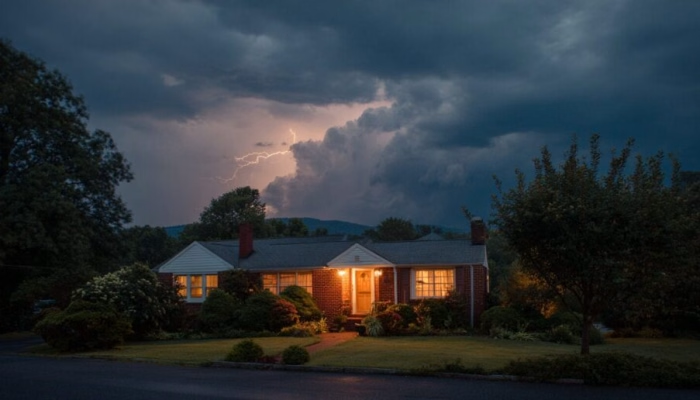
Power outages are stressful enough without uncertainty. We install dependable backup generators designed to keep your home running when it matters most.
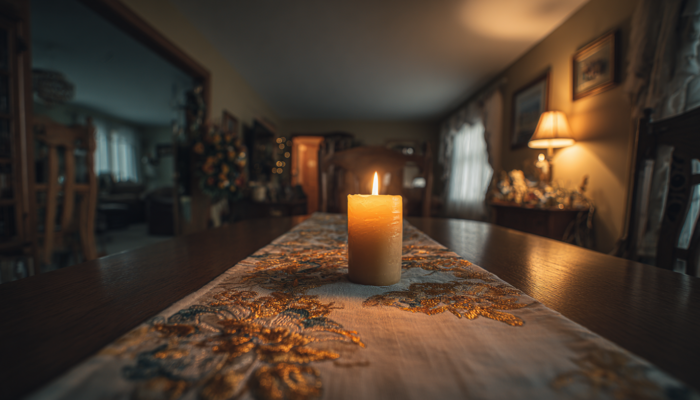
Working smoke alarms are one of the simplest ways to protect a home. We install and replace detectors with careful attention to placement.
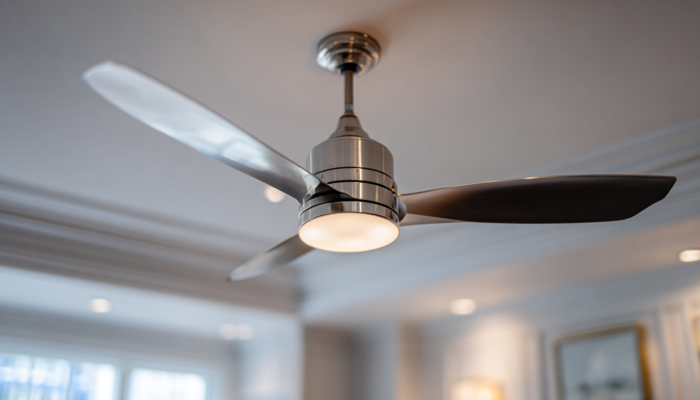
A properly installed ceiling fan should feel quiet, balanced, and dependable. We handle installation safely and cleanly from start to finish.
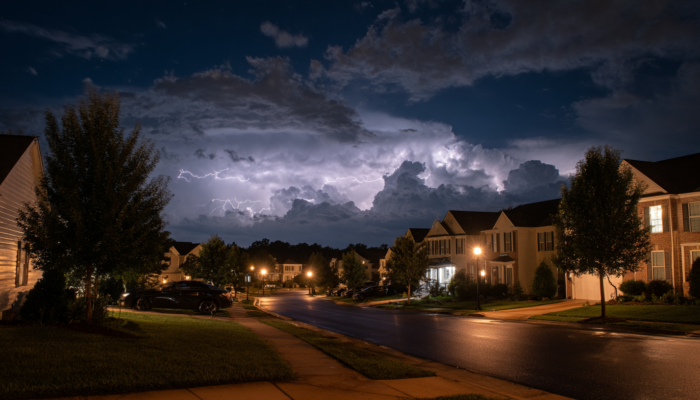
Today’s homes rely on more electronics than ever before. We install whole-home surge protection to help safeguard the systems and devices you depend on daily.
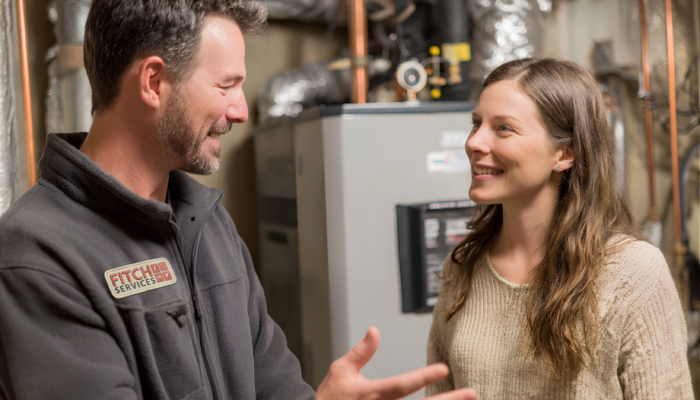
Gas bonding helps add an important layer of electrical safety to your home. We install and update bonding systems carefully to meet modern code requirements.
Bring your home’s electrical system up to today’s demands.
Electrical installation and upgrades cover more ground than most homeowners realize — from a panel that can no longer handle modern demand to a ceiling fan that’s been sitting in a box for six months, from whole-home rewiring in an older property to a generator that keeps the lights on when the grid doesn’t. What connects all of it is the need for work that’s done correctly, safely, and to code. The specific service matters less than the standard it’s held to.
Some homeowners arrive here with a clear project in mind — a renovation that needs electrical work, a new fixture they’ve already purchased, a generator they’ve been researching for months. Others arrive because something flagged on an inspection report, an insurance company raised a concern, or a system that’s been quietly aging finally made itself known. Whether you’re planning ahead or catching up, the starting point is the same — a clear picture of what you have, what you need, and what it takes to get there.
Electrical upgrades deliver value that goes well beyond the immediate project. A panel upgrade makes the home safer, satisfies insurance requirements, and removes a known liability from a real estate transaction. Rewiring eliminates the hidden fire risk of aging wiring and can meaningfully reduce homeowners insurance premiums. A whole-home generator protects thousands of dollars worth of appliances and systems from a single power event. Better lighting changes how a home feels and functions every single day. And across all of it, work done correctly the first time by a licensed electrician is work that doesn’t need to be revisited — which is a financial benefit that compounds over time.
We’re a licensed, family-owned electrical contractor that has been serving homes in Charlottesville and the surrounding area for decades. We handle everything on this page — installations, upgrades, replacements, and the work that doesn’t fit neatly into a category — and we approach all of it with the same standard: done right, explained clearly, and without pressure to do more than what the situation actually calls for. If you’re not sure where to start, give us a call. That’s what we’re here for.
Common signs include breakers that trip frequently, a panel that feels warm to the touch, a home that can't accommodate added electrical demand without tripping breakers, visible corrosion or burning around breakers, a panel that's more than 25 to 30 years old, or a Federal Pacific or Zinsco panel — both of which have known safety issues. An outdated or undersized panel is also often flagged during home inspections and insurance renewals.
Both breakers and fuses serve the same fundamental purpose — they trip or blow in the event of an electrical overload to protect the wiring and prevent fires. The key difference is that a breaker is a mechanical device that can be reset after it trips, while a fuse is a one-time device that must be replaced once it blows. Modern breaker panels are significantly more efficient and offer greater levels of protection than older fuse panels.
In many cases, yes — but it's important to confirm that the existing electrical box is properly braced and rated for the weight and continuous motion of a ceiling fan, not just a light fixture. Standard light fixture boxes are often not rated for fans. A licensed electrician can assess the existing box and handle the installation correctly.
Electrical rewiring involves replacing the wiring throughout some or all of a home — typically when the existing wiring is outdated, damaged, or no longer safe. Homes with knob and tube wiring or aluminum wiring from the 1960s and 70s are common candidates. Signs that rewiring may be needed include frequently tripping breakers, flickering lights, burning smells, or a home inspector flagging the wiring. Rewiring is also common during major renovations when walls are already open. A licensed electrician can assess the existing system and recommend the appropriate scope of work.
Generator sizing depends on what you need to power during an outage. A unit sized only for essential circuits — lights, refrigerator, a few outlets — is a very different machine from one designed to run the entire home including HVAC, well pump, and large appliances simultaneously. Getting the sizing right requires a proper load calculation based on your home's actual electrical demand. Undersizing a generator is one of the most common installation mistakes — and discovering the limitation during an actual outage is the worst time to find out.
A portable generator runs on gasoline or propane, requires manual setup and operation, and must be used outdoors due to carbon monoxide risk. It can power selected appliances through extension cords or a transfer switch but won't run indefinitely and requires fuel management. A standby generator is permanently installed outside the home, connected directly to the electrical system and a natural gas or propane supply, and starts automatically within seconds of a power outage — without any action required from the homeowner. For whole-home protection and genuine peace of mind, a standby generator is the more complete solution.
Gas line bonding is the process of connecting your home's gas piping to the electrical grounding system using a bonding conductor. This equalizes the electrical potential across metal surfaces in the home, which prevents dangerous sparks that can occur if stray electrical current contacts the gas lines. It is required by the National Electrical Code and is something home inspectors, code officials, and insurance companies check for — which is why it frequently surfaces during real estate transactions and permit inspections.
The most common way homeowners find out is through a home inspection, a real estate transaction, or a contractor flagging it during other work. Gas line bonding isn't something that announces itself as missing — there's no visible sign that it hasn't been done. If your home was built before modern code requirements were established, or if you've never had the electrical system evaluated, it's worth asking a licensed electrician whether your gas lines are properly bonded.
Yes — gas pipe bonding is required by the National Electrical Code in residential settings. It's not optional, and it's not something that can be deferred indefinitely. Many insurance companies now ask about it, and it is a standard item on home inspection reports. If your home has been flagged for missing or improper gas line bonding, the requirement exists for good reason — and addressing it is straightforward work for a licensed electrician.
Gas line bonding sits at the intersection of the gas system and the electrical system, which means it requires a licensed electrician who understands both. It's not a job for a handyman or a general contractor — done incorrectly, it can create a false sense of security while leaving the home just as vulnerable. A licensed electrician will assess the existing grounding system, determine the correct bonding path, install everything to code, and provide documentation of the completed work.
Georgia P.Great Sewer Line Repair
James B. (Charlottesville, Virginia)Going to use them for everything I can now including my HVAC maintenance. Replaced my sewer line for a great price. Camera'd my line for free and gave me a truly free estimate whether I used them or not. Job ended up being tougher than what was expected and not once did they bring up the possibility of changing from what they quoted me. Good group of guys right there. Chris and his crew know what they're doing.
Paul B. (Charlottesville, VA)As I commented on both Facebook and Angie's List this was a good experience. The service was performed as scheduled and well. There was a glitch in the billing, but your own people detected it and contacted me about it and took care of it on your own initiative. Greatly appreciated!
Johanne (Charlottesville, VA)Very efficient, quick diagnosis, and quick fix.
Charlottesville Family Favorites Winner
Nextdoor Neighborhood Favorite Winner
Best of HomeAdvisor Winner
Elite Service HomeAdvisor Award


Chris Fitch
President & Licensed Class A Mechanical Contractor
Family-Owned & Independent
Still owned by the Fitch family — not a national chain. Same honest service since 1983.
Local Experts
We live and work right here in Charlottesville. We know your neighborhoods and your homes.
One-Visit Repairs
Our trucks are fully stocked so we can finish most jobs the same day.
Free Quotes & Second Opinions
Honest answers and transparent pricing for system replacements — diagnostics and repairs not included.
Expert Leadership You Can Trust
Every project is guided by Chris Fitch, a licensed master technician, ensuring top-quality work from a skilled team.
24/7 Emergency Service
Nights, weekends, and holidays — we’re here when you need us most.
24/7 Emergency Services Available
Virginia Licensed Master Technicians
Free Quotes & Second Opinions
Fully Stocked Trucks for One-Visit Repairs
Let’s take care of it together.
Submit your request and experience the Fitch difference: a local team who shows up on time, and finishes the job right — often in a single visit.

Family-Owned Since 1983