A generator that doesn’t work when the power goes out isn’t a backup plan — it’s a false sense of security. Whether yours failed during an outage, won’t start during a routine test, or has been sitting unused long enough that you’re not sure what condition it’s in, generator repair is one of those things that’s worth addressing before you actually need it. The time to find out your generator has a problem is not during a storm.
It Failed When You Needed It. Now What?
If your generator let you down during an outage, you already know the particular frustration of a safety net that wasn’t there when you reached for it. Maybe it started and then shut down. Maybe it wouldn’t turn over at all. Maybe the transfer switch never kicked in and you didn’t realize until the lights went out. Whatever happened, the instinct to get it sorted out immediately is the right one — not just because another outage could come at any time, but because understanding what failed and why is the only way to know whether it’s actually fixed. A generator that gets a temporary patch isn’t a generator you can rely on.
Why Generators Stop Working
Standby generators are mechanical and electrical systems that sit idle for long stretches and then get asked to perform on demand — which is exactly the kind of operating profile that creates problems over time. Fuel system issues, dead batteries, stale fuel in the carburetor, corroded connections, worn transfer switches, and failed control boards are among the most common culprits. Generators that aren’t serviced regularly are particularly vulnerable — the components that fail most often are the ones that deteriorate quietly during the long periods of inactivity between uses. Most generator problems are fixable, and most of them are also preventable with the right maintenance.
The Difference Between a Generator Tech and a Licensed Electrician
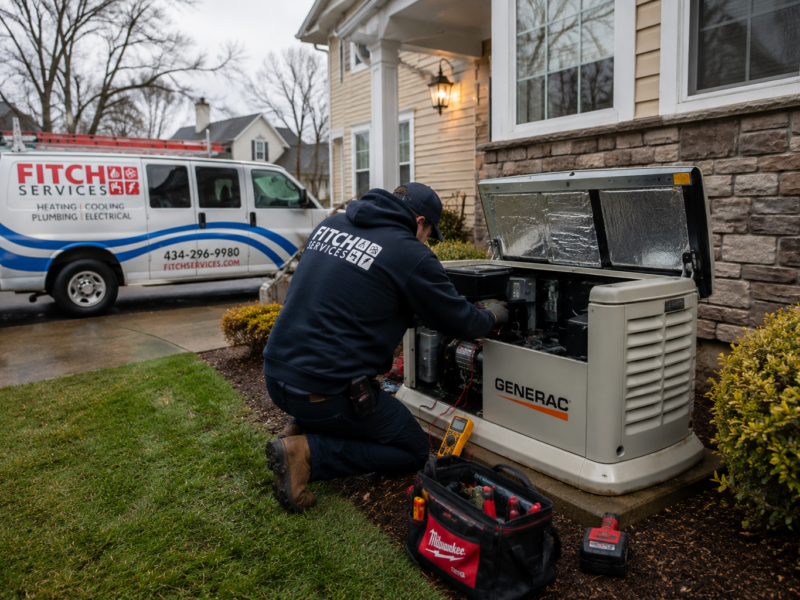
A standby generator is two systems in one — a mechanical engine and an electrical system that connects directly to your home’s wiring through a transfer switch. Getting it fully repaired requires someone who understands both sides. A small engine shop can address the mechanical components but may not be equipped to diagnose or repair the electrical side — the transfer switch, the control panel, the connection to your home’s electrical system. A licensed electrician who regularly works on generators understands the whole picture, which means problems get identified and fixed completely rather than partially.
Don’t Wait Until the Next Storm to Find Out
The most common time homeowners discover their generator doesn’t work is during an outage — which is also the worst possible time to be scheduling a repair. A generator that’s been sitting unused through a mild season can develop problems that aren’t obvious until it’s asked to run, and by then the window to get it fixed before you need it has already closed. If you haven’t tested your generator recently, or if you know something isn’t right but haven’t gotten around to dealing with it, now is the right time. Generator repair on your schedule is a very different experience from generator repair in the middle of a storm.
Fitch Keeps Charlottesville Generators Ready
We’ve been servicing and repairing generators in Charlottesville and the surrounding area for years, and we understand what these systems need to stay reliable. We’re a licensed, family-owned company available around the clock for urgent situations — because a generator problem during an active outage is exactly the kind of thing that can’t wait until Monday morning. Whether you need a repair, a diagnostic, or just want to know what condition your generator is actually in, give us a call. A generator that works when you need it is the whole point.
Frequently Asked Questions
A portable generator runs on gasoline or propane, requires manual setup and operation, and must be used outdoors due to carbon monoxide risk. It can power selected appliances through extension cords or a transfer switch but won't run indefinitely and requires fuel management. A standby generator is permanently installed outside the home, connected directly to the electrical system and a natural gas or propane supply, and starts automatically within seconds of a power outage — without any action required from the homeowner. For whole-home protection and genuine peace of mind, a standby generator is the more complete solution.
A standby generator connected to a natural gas supply can run for an extended period — days or even weeks — as long as the fuel supply is uninterrupted and the generator receives proper maintenance. Propane-powered standby generators are limited by the size of the propane tank. Most manufacturers recommend allowing the generator to cool down and performing basic checks after extended run periods. For practical purposes in most power outage scenarios, a properly installed standby generator will run as long as needed.
A generator that won't start has a predictable set of likely causes — a dead or weak battery, stale fuel or a clogged carburetor from sitting unused, a tripped low-oil shutoff, or a fault in the control board or ignition system. Generators that sit idle for extended periods are particularly prone to fuel system issues. Rather than guessing at the cause, a licensed technician can diagnose the specific problem and get the unit running correctly — ideally before the next outage makes it urgent.
Signs that a generator may need attention include failure to start during a test run, unusual sounds during operation, the unit starting but shutting down after a short period, error codes or warning lights on the control panel, or a transfer switch that isn't functioning correctly. Generators that haven't been tested or serviced in more than a year should be evaluated — problems that develop during inactivity often don't announce themselves until the generator is actually needed.
The most common issues we see with standby and portable generators include battery failure — particularly in units that sit idle for long periods — fuel system problems from stale fuel or carburetor buildup, worn or failed transfer switches, control board faults, and low oil conditions that trigger the safety shutoff. Most of these issues are preventable with regular maintenance and periodic test runs. When they do occur, accurate diagnosis by a technician familiar with both the electrical and mechanical sides of generator systems is the most efficient path to a reliable repair.
A thorough generator maintenance visit typically covers inspecting and testing the unit, changing the oil and air filter, checking and testing the battery, inspecting fuel system components, testing the automatic transfer switch, checking all fluid levels, and running the generator under load to confirm it's performing correctly. The specific scope varies by generator type and age — a licensed technician familiar with both the mechanical and electrical components of the system is best positioned to ensure nothing gets missed.
A generator that isn't maintained regularly is one that may not work when you actually need it. The components most likely to fail — batteries, fuel systems, and transfer switches — are the ones that deteriorate quietly during the long periods of inactivity between uses. Regular maintenance catches these issues before they become failures, extends the service life of the equipment, and gives you confidence that the generator will perform when a power outage occurs. A generator that fails during an emergency provides no protection at all.
Still have questions?
Real Reviews from Your Charlottesville Neighbors
See All ReviewsGeorgia P.Great Sewer Line Repair
James B. (Charlottesville, Virginia)Going to use them for everything I can now including my HVAC maintenance. Replaced my sewer line for a great price. Camera'd my line for free and gave me a truly free estimate whether I used them or not. Job ended up being tougher than what was expected and not once did they bring up the possibility of changing from what they quoted me. Good group of guys right there. Chris and his crew know what they're doing.
Paul B. (Charlottesville, VA)As I commented on both Facebook and Angie's List this was a good experience. The service was performed as scheduled and well. There was a glitch in the billing, but your own people detected it and contacted me about it and took care of it on your own initiative. Greatly appreciated!
Johanne (Charlottesville, VA)Very efficient, quick diagnosis, and quick fix.
Charlottesville Family Favorites Winner
Nextdoor Neighborhood Favorite Winner
Best of HomeAdvisor Winner
Elite Service HomeAdvisor Award
Ready to Schedule Service?
Let’s take care of it together.
Submit your request and experience the Fitch difference: a local team who shows up on time, and finishes the job right — often in a single visit.